PROJECT
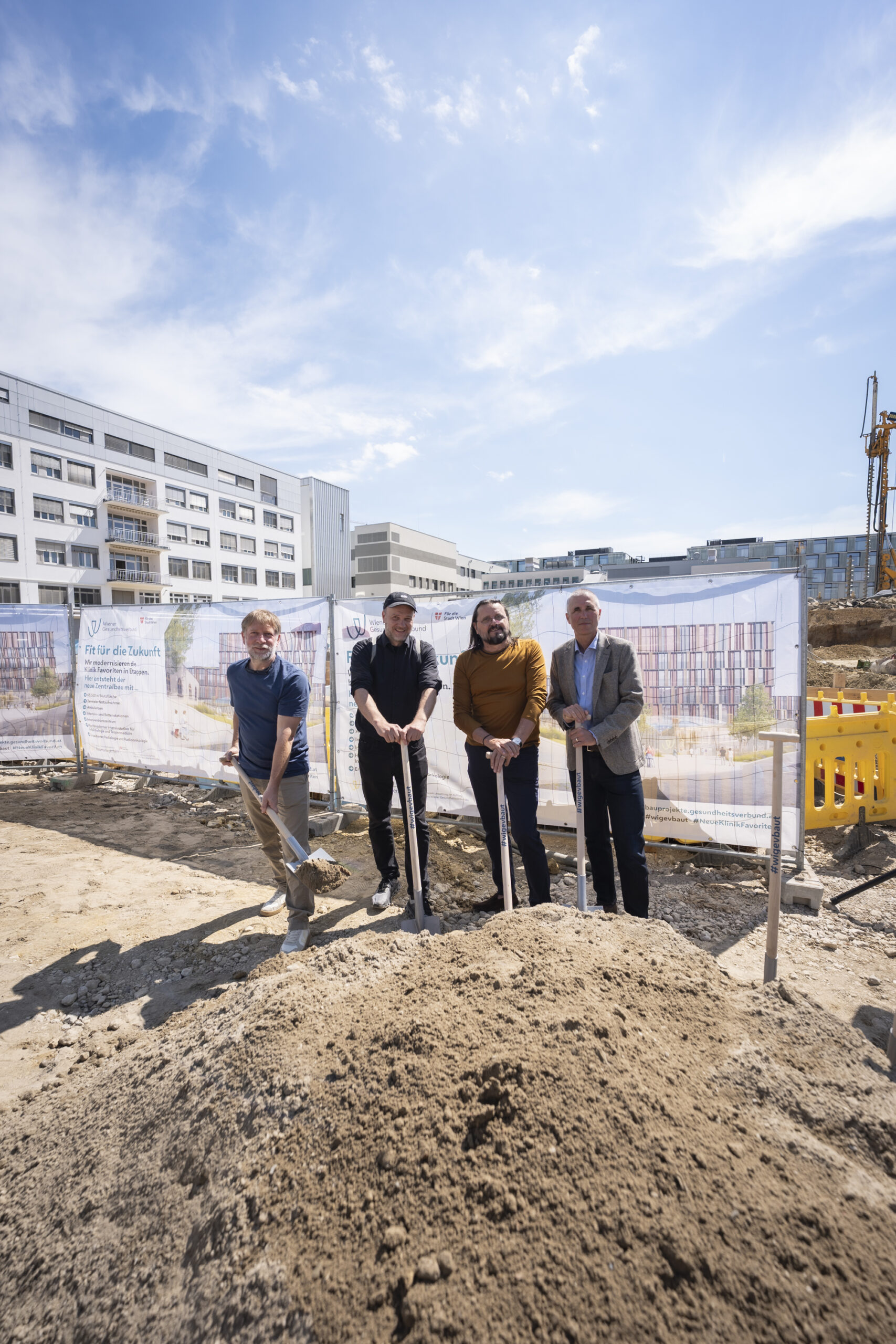
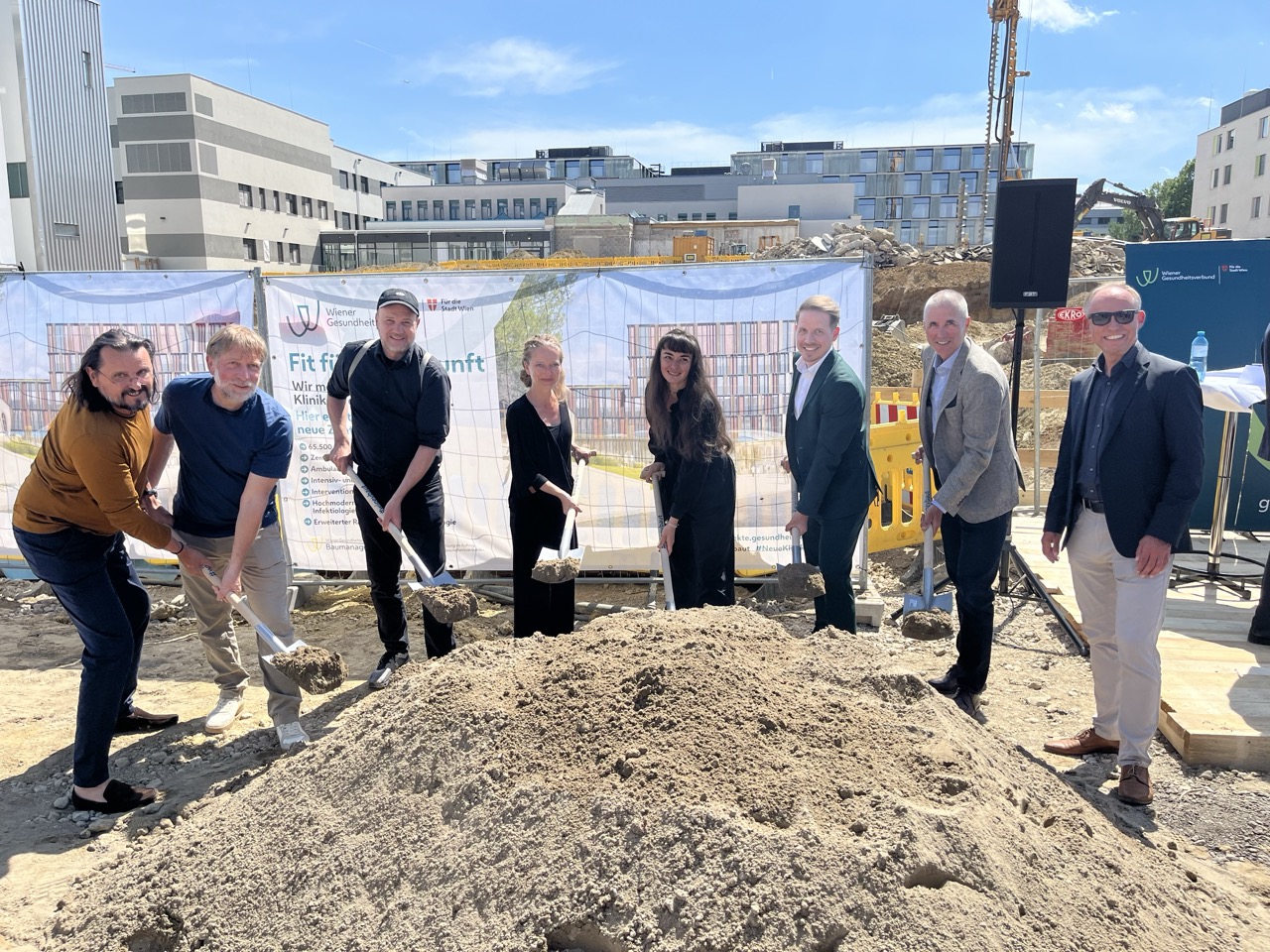
Groundbreaking Ceremony for the Central Building (ZNA) at Klinik Favoriten
Groundbreaking Ceremony for the Central Building (ZNA) at Klinik Favoriten
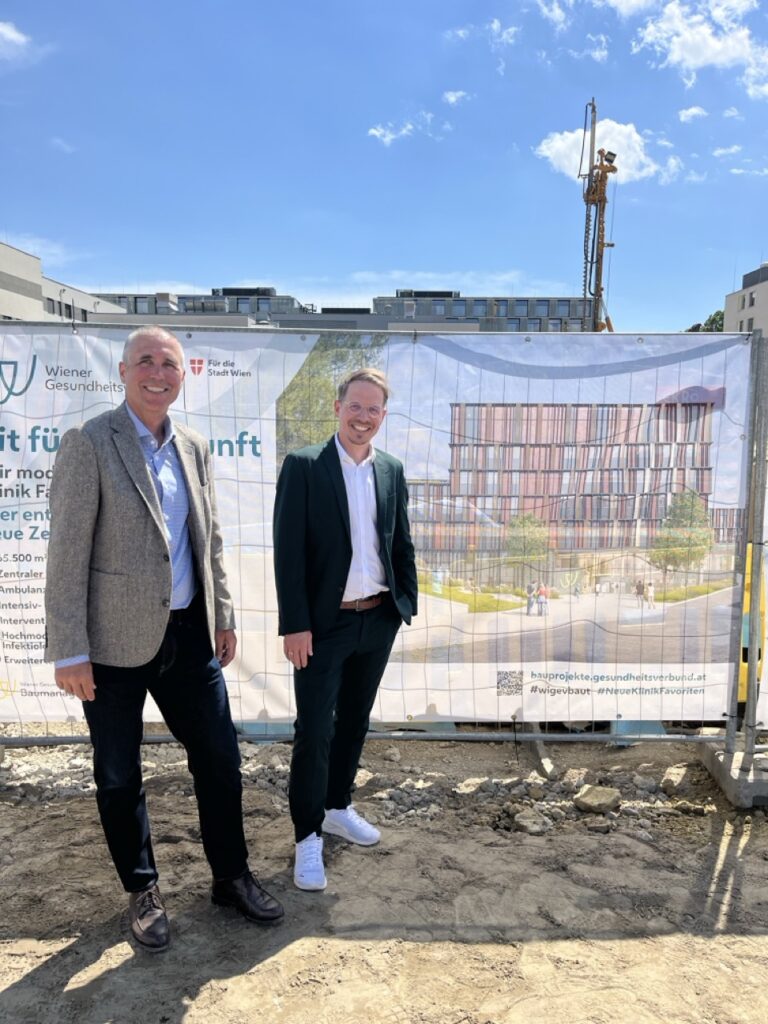
The new Central Emergency Department (ZNA) will consolidate key medical departments and provide a modern infrastructure designed to meet the future demands of healthcare. Commissioned by the Vienna Health Association (Wiener Gesundheitsverbund), the planning of the ZNA was developed in close coordination with the medical staff of Klinik Favoriten. The goal was to sustainably optimize existing workflows, shorten distances for patients and staff, and support highly efficient functional processes.
F+P ARCHITEKTEN has been commissioned as the general planner for the project. The architectural design is being developed by the three architectural offices operating under AHA – Austrian Healthcare Architects.
Following the completion of the laboratory building and the recent start of construction for the new psychiatry project, the new ZNA marks another major milestone in modern healthcare architecture and “Healing Architecture” at the WIGEV Klinik Favoriten campus.
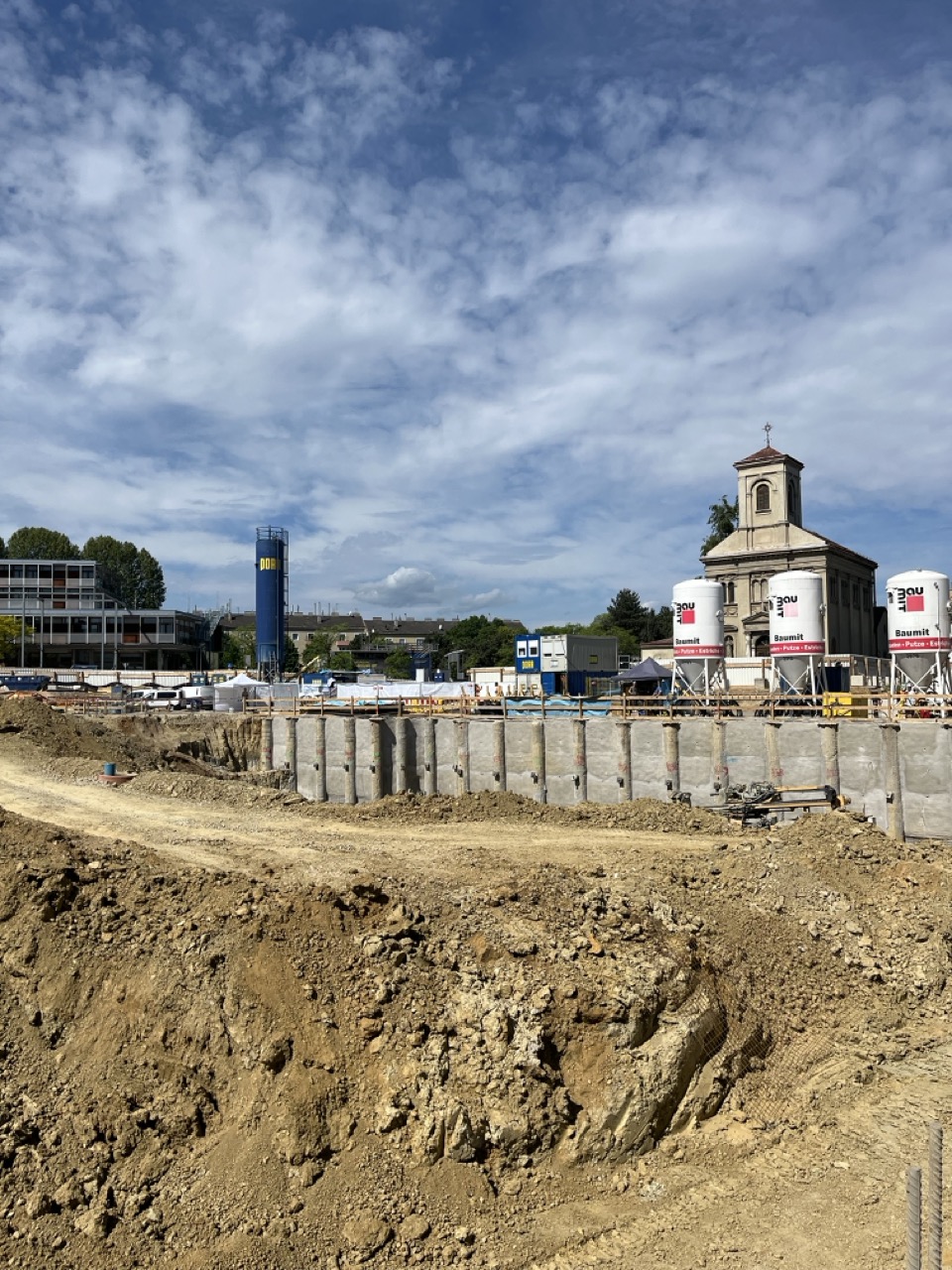
The new Central Building will replace the existing pavilion structure with a connected building complex that links above-ground clinical departments throughout the campus. In addition, an underground service and logistics ring will ensure efficient supply routes and seamlessly connect the new central facility with the existing hospital infrastructure.
Through health-promoting and carefully considered architecture, workflows for medical staff and patients alike will be significantly improved in departments such as cardiology, pulmonology, internal medicine, and neurology.
The scale of the project highlights the significance of the new development:
- 73,300 m² gross floor area (approx. 65,000 m² usable floor area)
- 9 floors: 2 basement levels, 2 podium levels, and 5 upper floors
- approximately 2,500 rooms
- 400 modern patient rooms including single, double, and isolation rooms
- 580 underground parking spaces
The completion of the first construction phase is scheduled for 2030, with final completion planned for 2035.